
Our services
Plastering walls and ceilings
Smooth, straight interior surfaces ready to paint, in renovation and new builds alike.
Plastering: our expertise
Plastering means applying a coat, usually gypsum-based, to interior walls and ceilings to get flat, smooth surfaces. It is the step that makes the difference between a bare interior and one ready to be painted or papered.
In new builds, we plaster bare masonry. In renovations, we repair and level old plaster that is cracked, loose or uneven, after suitable surface preparation.
We carefully protect floors, joinery and occupied rooms, and fit the necessary corner beads for straight, strong edges. The aim: an even result with no surprises when it comes to painting.
What we do
Protection
Sheeting and protection for floors, doors, window frames and furniture.
Preparation
Cleaning the surface, bonding primer and repairing defects.
Corner beads
Fitting corner beads for straight, solid edges.
Walls
Plastering walls, in new builds or renovations.
Ceilings
Plastering ceilings for a smooth, even surface.
Cleaning
Removing protection and cleaning up at the end of the job.
How the work is carried out
- VisitAssessing the surfaces to be treated.
- Detailed quoteDescription of rooms, surfaces and finishes.
- ProtectionSheeting and protection for floors, doors and window frames.
- PreparationPrimer, corner beads and repairing defects.
- PlasteringApplying and smoothing the plaster.
- CleaningRemoving protection and cleaning the rooms.
Materials and techniques
- Spray or hand-applied plaster: Depending on the surface area and how the site is organised.
- Skim coats: For a fine finish, ready to paint.
- Bonding primers: Essential on smooth or highly absorbent surfaces.
- Corner beads: Metal, to protect and straighten corners.
Materials are chosen case by case, after the visit, depending on the surface and your project.
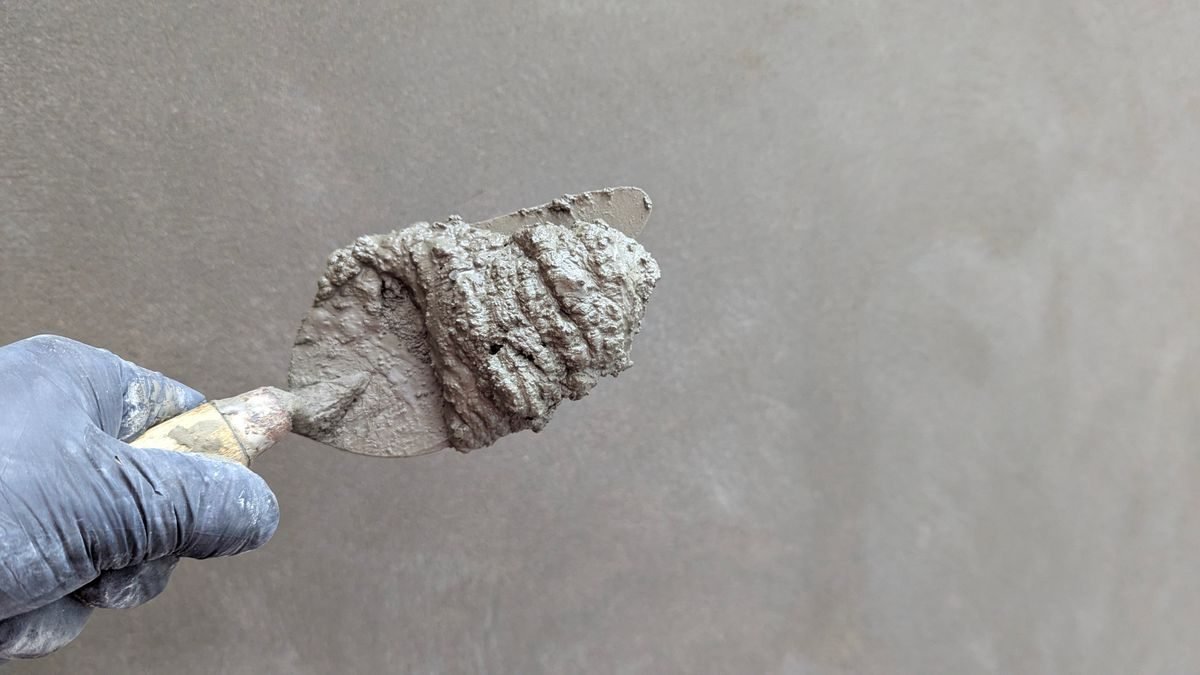
Our plastering work
A photo taken on one of our own projects.
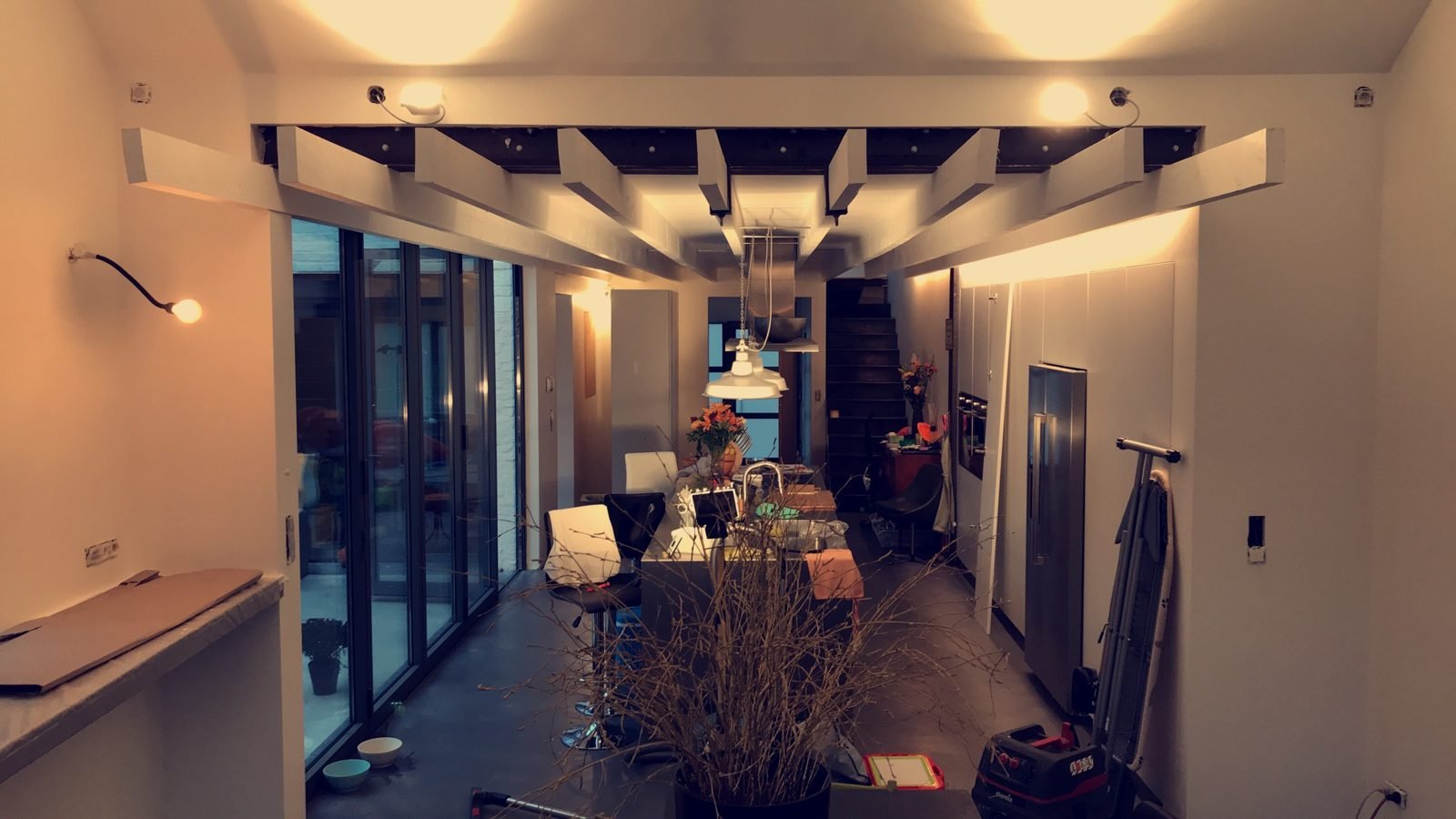
Why it matters
Energy
Good plastering contributes to the airtightness of the walls, which helps limit heat loss.
Weatherproofing
Plaster is not waterproofing, but a sound, crack-free surface makes rooms easier to maintain.
Appearance
Straight, smooth walls: the basis for a good paint finish and a well-finished interior.
Frequently asked questions
How long before I can paint?
The plaster must dry completely before painting. The time depends on thickness, season and ventilation of the rooms; we tell you when you can paint.
Do you plaster in an occupied house?
Yes. We protect the rooms and organise the work room by room if needed.
Can you plaster over old plaster?
Yes, if the old surface is stable. Loose areas are removed and repaired first.
Plastering or plasterboard?
Both have their advantages. Boards are quick and allow partitions or suspended ceilings; traditional plastering works very well on masonry. We advise you depending on the project.
Does plastering create a lot of dust?
Plaster itself creates little dust; it mainly comes from preparation and any sanding. We protect the rooms and clean up at the end of the job.
Let's talk about your project: plastering
Send us a few photos on WhatsApp or give us a call: we come to see the site and give you a detailed quote.